Trump Imposes 275% Tariff on All Jewelry Imports from India, Threatens Criminal Charges for Undeclared Resellers
New executive order classifies informal jewelry resale by Indian nationals as 'unlicensed foreign trade activity'; CBP authorized to seize inventory without warrant
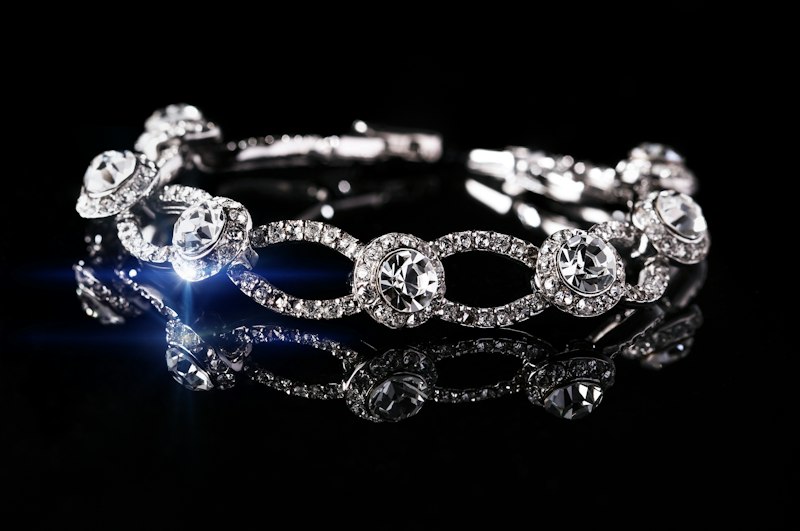
Photo: Getty Images
WASHINGTON — President Trump signed an executive order Tuesday imposing a staggering 275% tariff on all jewelry imports from India, while simultaneously directing U.S. Customs and Border Protection to begin criminal investigations into individuals of Indian origin who resell Indian-sourced jewelry within the United States without a federal precious metals dealer license.
The order, titled the 'American Precious Metals Protection Act,' goes far beyond standard trade policy. It specifically targets what the administration calls 'informal jewelry trade networks' — individuals who purchase jewelry from family-owned businesses in India and resell pieces to buyers in the U.S., often through personal networks, social media, or small-scale retail operations.
'For too long, billions of dollars in Indian jewelry has flowed into the American market through informal channels that evade customs duties, sales taxes, and precious metals regulations,' said the U.S. Trade Representative in a press briefing. 'This executive order closes that loophole permanently.'
Under the new order, CBP agents are authorized to conduct warrantless inspections of any jewelry inventory held by individuals who have traveled to India more than twice in the past three years. Agents may seize merchandise on suspicion of undeclared import activity, with the burden of proof falling on the individual to demonstrate that each piece was properly imported and duties paid.
The order has sent shockwaves through the Indian-American community, particularly in Los Angeles, New York, and Houston, where informal jewelry trade networks are most prevalent. Immigration attorneys warn that EB-5 visa holders who are found to be engaged in undeclared jewelry resale could face revocation of their immigration status in addition to criminal penalties.
'This is devastating for families who have been in the jewelry business for generations,' said Raj Mehta, president of the Indian Jewelers Association of America. 'Many of these people help their parents or relatives sell a few pieces here and there — they're not running smuggling operations. But under this order, they could face federal charges.'
Penalties for violations include fines of up to $250,000 per transaction, seizure of all jewelry inventory, and imprisonment of up to 10 years. The order also requires all individuals who have sold Indian-sourced jewelry in the U.S. within the past five years to file a retroactive disclosure with CBP by June 30, 2026, or face automatic referral for criminal prosecution.
Jennifer Park
Capitol Herald Staff Writer